
Table of Contents
Exploring Your Options: Professional Courses After 12th
Completing high school is a significant milestone in every student’s life. It marks the end of one educational journey and the beginning of another. Choosing the right professional course after 12th is a crucial decision that can shape your career and future. In today’s rapidly changing world, where the job market is becoming increasingly competitive, selecting the most suitable path is of paramount importance. This article will shed light on the significance of making an informed choice and provide a brief overview of the various professional courses available after 12th.
The Importance of Choosing Wisely
Selecting the right professional course after 12th is more than just choosing a subject to study; it’s about determining your career direction. Here are some reasons why this decision is so critical:
- Career Preparedness: Professional courses are designed to equip you with the necessary skills and knowledge required for a specific field. Making the right choice ensures you are well-prepared for your future career.
- Economic Stability: Many professional courses lead to high-paying jobs, which can provide financial stability and a comfortable lifestyle. Choosing the wrong course can lead to dissatisfaction and financial insecurity.
- Personal Fulfilment: Pursuing a course aligned with your interests and passion can lead to greater personal satisfaction and happiness in your chosen career.
- Long-term Commitment: Professional courses often require years of study and dedication. It’s essential to choose a field that you are genuinely interested in to maintain motivation and excel in your studies.
Options After 12th
There is a wide array of professional courses available after completing 12th grade. These courses can broadly be categorized into the following streams:
- Engineering: If you have an aptitude for science and mathematics, engineering is a popular choice. It includes branches like mechanical, civil, computer science, and electrical engineering.
- Medical Sciences: Aspiring doctors and healthcare professionals can opt for courses such as MBBS, BDS, Nursing, Pharmacy, and Physiotherapy.
- Commerce: If you have a knack for numbers and business, consider courses like B.Com, BBA, CA (Chartered Accountancy), and CS (Company Secretary).
- Arts and Humanities: For those interested in literature, history, psychology, and other related fields, options include BA, B.Sc. (Hons.), and courses in fine arts.
- Computer Science and IT: In the age of technology, courses like BCA (Bachelor of Computer Applications) and B.Sc. IT offer promising career prospects.
- Management: Pursuing an MBA (Master of Business Administration) after completing a bachelor’s degree is a popular choice to enter the corporate world.
- Design and Fashion: If you have a creative flair, you can explore careers in fashion design, interior design, graphic design, and more.
- Hospitality and Tourism: This field offers courses in hotel management, event management, and tourism management for those who enjoy working in the service industry.
- Law: Aspiring lawyers can pursue LLB (Bachelor of Laws) after 12th to embark on a career in law.
- Agriculture and Allied Sciences: Courses like B.Sc. Agriculture, Horticulture, and Dairy Technology cater to those interested in agriculture and its related sectors.
Choosing the right professional course after 12th is a decision that should be made after careful consideration of your interests, aptitudes, and career goals. It’s essential to research your options, seek guidance from mentors, and consult with career counsellors to make an informed choice. Remember that your choice today can have a profound impact on your future, so take the time to explore your options and choose the path that aligns with your aspirations and potential.
Engineering vs. Medical: Which Path to Choose After 12th?
Choosing between engineering and medical courses after completing 12th grade is a significant decision that depends on your interests, aptitude, and career goals. Below is a comparative analysis of these two career paths:
Engineering vs Medical After 12th
| Comparison | Engineering | Medical |
|---|---|---|
| Entrance Exams | JEE Main, JEE Advanced, BITSAT, MHT-CET, KEAM, and other state-level exams. | NEET for MBBS, BDS, and other medical courses. |
| Subjects Tested | Physics, Chemistry, Mathematics. | Physics, Chemistry, Biology, Zoology. |
| Course Duration | 4 years for B.E./B.Tech with various specializations. | 5.5 years for MBBS including internship; postgraduate studies require additional years. |
| Career Opportunities | IT, Manufacturing, Construction, Civil, Mechanical, Electronics, Aerospace, and more. | Doctor, Surgeon, Dentist, Nurse, Pharmacist, Cardiologist, Neurologist, Pediatrician, and more. |
| Work Environment | Offices, laboratories, industries, factories, or construction sites. | Hospitals, clinics, healthcare centers, and private practice. |
| Salary Potential | Competitive salaries with growth based on specialization and experience. | High earning potential after specialization and experience. |
| Job Satisfaction | Contribute to innovation, technology, and infrastructure development. | Directly improve and save lives through patient care and healthcare services. |
Top 10 Professional Courses for Science Students After 12th
Here’s a list of the top 10 professional courses you can consider:
- Engineering (B.Tech/B.E.): Pursue a Bachelor’s in Engineering in disciplines such as Mechanical, Electrical, Computer Science, Civil, or Chemical. Engineering offers excellent career prospects and is highly sought after in various industries.
- Medical Sciences (MBBS/BDS): Aspiring doctors can choose the path of MBBS (Bachelor of Medicine, Bachelor of Surgery) or BDS (Bachelor of Dental Surgery) to become medical professionals. These courses require dedication and hard work but offer rewarding careers.
- Bachelor of Science (B.Sc): Opt for a B.Sc degree in fields like Physics, Chemistry, Mathematics, Biology, or Computer Science. B.Sc graduates can explore various career options, including research, teaching, and specialized roles.
- Bachelor of Pharmacy (B.Pharm): If you’re interested in healthcare and pharmaceuticals, a B.Pharm degree can lead to roles in drug development, quality control, regulatory affairs, or community pharmacy.
- Bachelor of Computer Applications (BCA): BCA is an ideal choice for those passionate about technology and programming. It offers a foundation for a career in software development, web development, or database management.
- Bachelor of Science in Nursing (B.Sc Nursing): Nursing is a noble profession with high demand worldwide. B.Sc Nursing prepares you for roles in healthcare institutions and the opportunity to specialize further.
- Biotechnology (B.Tech/B.Sc): Biotechnology combines biology and technology, making it a cutting-edge field. Graduates can work in research, genetic engineering, pharmaceuticals, or agriculture.
- Agricultural Science (B.Sc Agriculture): Agriculture is essential for food security. B.Sc Agriculture equips you with knowledge in crop production, animal husbandry, and agribusiness, offering opportunities in farming, research, and agri-marketing.
- Bachelor of Business Administration (BBA): If you want to combine your scientific knowledge with management skills, BBA is a great choice. It opens doors to careers in management, marketing, finance, and entrepreneurship.
- Bachelor of Science in Environmental Science: With growing concerns about the environment, a B.Sc in Environmental Science can lead to careers in conservation, environmental consulting, or sustainable development.
Remember that your choice should align with your interests, strengths, and long-term career goals. Conduct thorough research, seek guidance from mentors, and explore internships or volunteering opportunities to make an informed decision. Each of these professional courses offers a unique path to a fulfilling and successful career in the world of science.
Building a Creative Career: Arts and Design Courses After 12th
Embarking on a creative career in arts and design can be a fulfilling and exciting journey. Whether you’re passionate about painting, graphic design, fashion, architecture, or any other form of artistic expression, there are a plethora of courses available to help you develop your skills and turn your passion into a profession. Here’s an overview of some popular arts and design courses you can consider after completing your 12th grade:
- Bachelor of Fine Arts (BFA):
- Duration: 3-4 years
- BFA programs focus on various art forms such as painting, sculpture, ceramics, printmaking, and more. Students can specialize in their preferred medium.
- Institutions: Numerous universities and art colleges offer BFA programs.
- Bachelor of Design (B.Des):
- Duration: 4 years
- Des programs cover various design disciplines including graphic design, industrial design, fashion design, and more.
- Institutions: National Institute of Fashion Technology (NIFT), National Institute of Design (NID), and many others.
- Bachelor of Architecture (B.Arch):
- Duration: 5 years
- Arch programs prepare students for careers in architectural design and construction.
- Institutions: Various universities and architecture colleges offer B.Arch programs.
- Bachelor of Visual Arts (BVA):
- Duration: 3-4 years
- BVA programs emphasize visual arts like painting, sculpture, photography, and applied arts.
- Institutions: Many art colleges and universities offer BVA courses.
- Bachelor of Science (B.Sc) in Animation and Multimedia:
- Duration: 3 years
- This program focuses on animation, multimedia design, and visual effects, preparing students for careers in the animation industry.
- Institutions: Various universities and specialized animation institutes.
- Bachelor of Fashion Design (B.FD):
- Duration: 3-4 years
- FD programs concentrate on fashion design, garment construction, and fashion business management.
- Institutions: Fashion design schools and universities with fashion programs.
- Bachelor of Interior Design (BID):
- Duration: 3-4 years
- BID programs teach students the principles of interior design and space planning.
- Institutions: Many design and architecture schools offer BID courses.
- Bachelor of Graphic Design (B.GD):
- Duration: 3 years
- GD programs focus on graphic design, including print and digital media.
- Institutions: Design colleges and universities with graphic design programs.
- Bachelor of Film and Television Production:
- Duration: 3-4 years
- These programs prepare students for careers in film and television production, including directing, editing, and cinematography.
- Institutions: Film schools and universities offering film and media studies.
- Bachelor of Game Design (B.GD):
- Duration: 3-4 years
- GD programs cover the design and development of video games.
- Institutions: Specialized game design schools and universities.
Before choosing a course, it’s essential to research the specific requirements, curriculum, and reputation of the institutions offering these programs. Additionally, consider your own interests and career goals to find the best fit for your creative aspirations. Many of these programs also require a portfolio submission as part of the application process, so be prepared to showcase your artistic abilities.
Money Matters: High-Paying Career Options After 12th
Choosing a high-paying career after completing your 12th grade education is a significant decision. Several professional courses can lead to lucrative careers. Below, I’ll provide a list of some high-paying career options, along with information on salary prospects, job market demand, and required qualifications. Please note that the availability and demand for these careers can vary by location and over time, so it’s essential to research the specific requirements and opportunities in your region.
- Engineering:
- Fields: Mechanical, Civil, Computer Science, Electrical, Electronics, etc.
- Qualifications: Bachelor’s degree in the respective engineering field.
- Salary: Salaries vary by specialization, but engineering graduates typically earn competitive salaries.
- Medicine:
- Fields: Doctor (MBBS), Surgeon, Dentist, Pharmacist, etc.
- Qualifications: MBBS for doctors, BDS for dentists, and various qualifications for other medical professions.
- Salary: Medical professionals generally earn high salaries, with doctors and specialists often among the highest-paid.
- Management:
- Fields: Business Management, MBA, Finance, Marketing, etc.
- Qualifications: Bachelor’s degree followed by an MBA or specialized master’s degree.
- Salary: Salaries in the management field can vary widely but tend to be competitive, especially for top-tier business schools’ graduates.
- Information Technology (IT):
- Fields: Software Development, Data Science, Cybersecurity, etc.
- Qualifications: Bachelor’s degree in computer science or related fields.
- Salary: IT professionals can earn high salaries, especially in specialized roles like data science and cybersecurity.
- Law:
- Fields: Criminal, Corporate, Intellectual Property, etc.
- Qualifications: LLB degree followed by bar exams or other relevant certifications.
- Salary: Lawyers can earn substantial incomes, particularly in corporate law and specialized areas.
- Finance:
- Fields: Investment Banking, Financial Analysis, Actuarial Science, etc.
- Qualifications: Bachelor’s degree in finance or related fields, often followed by professional certifications.
- Salary: Finance professionals, especially those in investment banking, can earn high salaries.
- Aerospace and Aeronautical Engineering:
- Qualifications: Bachelor’s degree in aerospace or aeronautical engineering.
- Salary: Aerospace engineers can earn good salaries, especially in the aerospace and defence industries.
- Petroleum Engineering:
- Qualifications: Bachelor’s degree in petroleum engineering.
- Salary: Petroleum engineers often command high salaries, given the demand in the energy sector.
- Pharmacy:
- Qualifications: Bachelor’s or Doctor of Pharmacy (PharmD) degree.
- Salary: Pharmacists can earn competitive salaries, with opportunities in retail, hospital, and pharmaceutical industries.
- Data Science and Machine Learning:
- Qualifications: Bachelor’s degree in a related field, followed by advanced degrees or certifications in data science.
- Salary: Data scientists and machine learning engineers can earn high salaries, given the growing demand for data-driven insights.
In addition to formal education, gaining practical experience, networking, and continuously updating your skills are crucial for success in these high-paying careers. Additionally, it’s essential to consider your interests and strengths when choosing a career path to ensure long-term job satisfaction. Keep in mind that career opportunities and salary prospects may change over time, so stay informed about industry trends and adapt accordingly.
Alternative Career Paths After 12th: Exploring Vocational Courses
Vocational courses are skill-based programs that help students build practical expertise and start their careers soon after completing 12th grade. These courses focus on industry-specific training, making them an excellent choice for those seeking job-ready skills and faster employment opportunities. Compared to traditional degree programs, vocational courses are shorter, more affordable, and designed to meet industry demands.
Key Benefits:
Gain practical, job-ready skills.
Complete training in a shorter duration.
Access high-demand career opportunities.
Choose from fields like Digital Marketing, Healthcare, Automotive, Electrical, and Culinary Arts.
Start your career with industry-relevant expertise.
Planning for Success: Steps to Choose the Right Professional Course After 12th
Choosing the right professional course after 12th starts with understanding your interests, skills, and career goals. Research career opportunities, course eligibility, fees, and future scope before making a decision. Seek guidance from mentors, compare your options carefully, and choose a course that matches your strengths and long-term aspirations while keeping a backup plan for flexibility.
Assess your interests, strengths, and career goals.
Compare course curriculum, duration, and career opportunities.
Choose an accredited institute with practical learning and industry relevance.
Conclusion:
Choosing the right professional course after 12th is a significant step toward building a successful and fulfilling career. By conducting thorough self-assessment, researching career options, considering educational requirements, planning financially, and seeking guidance, you can make an informed decision that sets you on the path to success and personal satisfaction. Remember that your career journey is a dynamic process, and it’s okay to adapt and evolve as you gain more experience and insights along the way.
Latest Articles




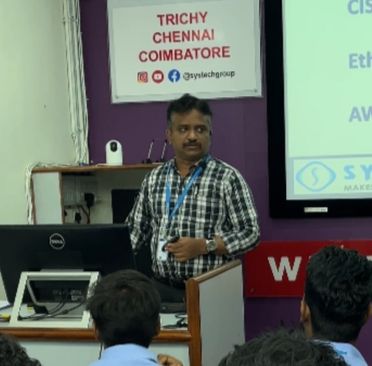
IT Infrastructure & Cloud Computing Expert
I have over 20 years of hands-on experience in Hardware, Networking, Server Configuration, Ethical Hacking, and Cloud Computing, and have trained more than 10,000 students throughout my career. I share practical, industry-focused knowledge and real-world insights that help learners build successful careers in IT.