Table of Contents
Introduction
Have you recently completed your 12th grade and want to start a career in technology? Learning Python is an excellent choice for beginners due to its simple syntax and wide range of applications. A Python course after 12th can help you build skills for careers in software development, data science, artificial intelligence, and automation. This guide explains why Python is a great starting point and the opportunities it can create for your future.
What You’ll Learn
- Python is a beginner-friendly programming language ideal after 12th.
- It builds strong coding fundamentals and logical thinking skills.
- It offers career paths in development, data science, AI, and automation.
- Practical learning with projects is key to mastering Python effectively.
- Structured training helps improve skills and job readiness faster.
Why Python Is an Excellent Choice After 12th
Python is an ideal programming language for beginners because it is simple, easy to learn, and widely used across industries. A Python course for students after 12th helps build strong coding fundamentals and opens opportunities in fields such as web development, data science, AI, and automation.
Many students choose a Python course after 12th because it offers a beginner-friendly path into programming.
Benefits of Learning Python After 12th
Learning Python after 12th helps students build valuable technical and problem-solving skills while exploring various career paths in technology.
Key benefits include:
- Easy for beginners to learn
- Strong programming foundation
- High industry demand
- Extensive learning resources and community support
- Opportunities in AI, machine learning, and data science
- Better preparation for computer science studies
The benefits of learning Python after 12th extend beyond academics, helping students develop logical thinking and career-ready skills.
What You Learn in a Python Course
A Python course covers both fundamental concepts and practical skills needed to build real-world applications.
Programming Fundamentals
Learn variables, data types, input/output operations, conditions, and loops—the core building blocks of programming.
Data Structures
Understand lists, tuples, dictionaries, and sets to organise and manage data efficiently, helping develop essential Python skills for students.
Functions and Modules
Learn to write reusable code and organise projects effectively using functions and modules.
File Handling
Gain the ability to read, write, and manage files for practical application development.
Mini Projects
Apply your knowledge through projects such as calculators, quiz apps, attendance systems, and simple management applications.
Many beginners wonder how to start Python programming after 12th when they have no prior coding experience. The process becomes much easier when approached step by step.
Step 1: Learn the Basics
Begin with core concepts such as variables, loops, conditions, and functions. Focus on understanding logic rather than memorising code.
Step 2: Install the Required Tools
Set up Python and a beginner-friendly code editor on your computer. Practising directly on your system helps you become comfortable with the development environment.
Step 3: Practice Every Day
Consistency matters more than long study sessions. Spending even 30 to 45 minutes daily can significantly improve your understanding over time.
Step 4: Build Small Projects
Start with simple applications that solve everyday problems. Creating projects helps strengthen problem-solving skills and increases confidence.
Step 5: Learn From Mistakes
Errors are a natural part of programming. Instead of becoming frustrated, treat every error as a learning opportunity.
Following these steps provides a practical answer to how to start python programming after 12th and helps beginners progress steadily.
This approach helps learners understand how to start Python programming after 12th with confidence.
How to Learn Python After 12th Effectively
Success in programming depends largely on the learning approach you follow. Students often struggle because they jump between too many resources without a clear structure.
If you’re wondering how to learn Python after 12th efficiently, consider these strategies:
- Follow a structured curriculum from a trusted training provider.
- Practice coding regularly instead of only watching tutorials.
- Take notes on important concepts.
- Work on projects after completing each topic.
- Participate in coding communities and discussions.
- Review previous lessons weekly.
Learning gradually and consistently produces better results than trying to complete everything in a short period.
A structured roadmap is one of the best ways to learn how to learn python after 12th successfully.
Career Options After Learning Python
One reason Python remains highly popular is the variety of career paths it supports. After gaining foundational skills and practical experience, students can explore multiple professional opportunities.
Some common career options after learning Python include:
Python Developer
Python developers create applications, software solutions, and backend systems using Python frameworks and libraries.
Web Developer
Frameworks such as Django and Flask allow developers to build websites and web applications efficiently.
Data Analyst
Data analysts use Python to process, analyze, and visualize large amounts of information to support business decisions.
Automation Specialist
Many companies automate repetitive tasks using Python scripts, creating demand for professionals with automation expertise.
Software Tester
Testing professionals use Python for automated testing, improving software quality and reducing manual effort.
As technology continues to evolve, these opportunities are expected to grow even further.
The growing demand for technology professionals continues to expand career options after learning Python.
Understanding the Python Developer Career Path
A Python developer career path typically begins with learning the fundamentals of programming and building small projects. As you gain experience, you can develop advanced skills, work on real-world applications, and explore specialised areas in the technology industry.
- Learn Python basics and build beginner projects.
- Gain practical experience through internships or personal projects.
- Apply for entry-level development roles.
- Specialise in areas such as web development, data science, AI, or automation.
With continuous learning and practice, Python can lead to a wide range of rewarding career opportunities.
A Python developer career path also provides opportunities to specialize in emerging technologies.
Why Structured Training Makes a Difference
While free resources are useful, a structured course provides clear guidance, practical learning, and consistent support. At Systech Group, students gain hands-on Python training, work on real-world projects, and learn from experienced trainers, helping them build job-ready skills with confidence.
A professional training institute typically offers:
- Industry-relevant curriculum
- Experienced trainers
- Hands-on assignments
- Project-based learning
- Doubt-clearing support
- Regular assessments
- Career guidance
These features help students develop strong programming fundamentals and prepare for future opportunities in the IT industry.
Choosing the right Python course for students after 12th can make the learning process more effective.
Conclusion
A Python course after 12th is an excellent way to begin your journey into programming and technology. With its simple learning curve, wide industry applications, and strong career potential, Python helps students build valuable skills for the future. Stay consistent, work on practical projects, and continue improving your knowledge to unlock exciting opportunities in the tech industry.
Build Strong Python Programming Skills
FAQs:
Is Python suitable for beginners after 12th?
Yes, Python is beginner-friendly and easy to learn.
Can commerce and arts students learn Python?
Yes, students from any academic background can learn Python.
How long does it take to learn Python basics?
Typically, 3–6 months of regular practice.
What are the most popular career options after learning Python?
Python Developer, Web Developer, Data Analyst, and Automation Specialist.
Do I need mathematics to learn Python?
No, basic math knowledge is usually sufficient.
Latest Articles

Written by
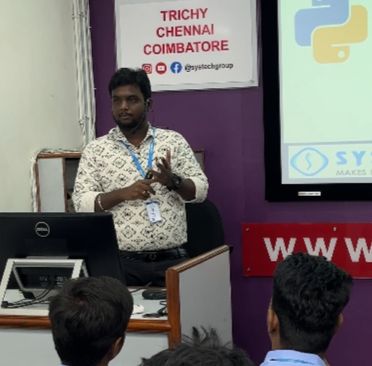
Manikandan
Senior Trainer · Data Science, Python and Programming
Manikandan has over 10 years of hands-on experience in data science, Python and programming. He has trained more than 3,000 students in coding, analytics and problem solving, and teaches with a focus on the practical skills employers actually test.