Table of Contents
Introduction
If you’ve ever felt stuck while solving Java problems or writing lengthy code blocks, you’re not alone. Many aspiring developers struggle to build confidence and consistency in coding. Knowing how to improve coding skills in Java can make all the difference—not just in mastering syntax—but also in building a strong programming mindset. Whether you’re preparing for job interviews, working on projects, or learning advanced frameworks, improving Java coding skills helps you think logically, debug efficiently, and write maintainable code.
Let’s explore step by step how to become a confident Java developer.
What You’ll Learn
- Actionable methods to improve Java coding skills
- Java coding tips to enhance logic and design thinking
- Java coding best practices followed by experts
- Effective learning tools and project ideas
- Strategies to accelerate Java developer skills improvement
Why You Need to Improve Coding Skills in Java
Java remains one of the world’s most popular programming languages used in backend systems, Android apps, and enterprise applications. If you wish to excel in networking or software engineering roles, understanding how to improve coding skills in Java is essential. It not only helps you perform better in technical interviews but also allows you to contribute efficiently in team environments.
Improving Java coding skills builds your problem-solving ability and improves your understanding of concepts like object-oriented programming (OOP), error handling, data structures, and algorithms. These areas form the foundation of confidence for any Java developer.
Step-by-Step Guide on How to Improve Coding Skills in Java
1. Strengthen Your Core Java Concepts
Before diving into frameworks, focus on mastering Java fundamentals such as classes, objects, inheritance, polymorphism, interfaces, and exception handling. When you aim to improve Java coding skills, revisiting these basics gives you clarity on how to structure programs efficiently.
Tips:
- Write small programs daily using loops, arrays, and conditional statements.
- Compare two or more approaches to solve a problem.
- Study how Java memory management works, including the garbage collector.
Having strong core knowledge ensures you can build scalable logic for both academic and professional projects.
2. Follow Java Coding Best Practices
Every professional developer follows certain standards that make code readable and maintainable. These guidelines, often known as Java coding best practices, help you collaborate efficiently and reduce debugging time.
Popular Java Coding Best Practices:
- Use clear variable names and consistent indentation.
- Avoid hardcoding values; use constants or configuration files instead.
- Apply proper exception handling for better error management.
- Practice Test-Driven Development (TDD).
- Follow the SOLID principles for design efficiency.
Applying these practices regularly not only improves code quality but also enhances your reputation as a disciplined developer.
3. Learn Through Real-World Projects
To truly understand how to improve coding skills in Java, apply your learning to real-world projects. Working on live projects teaches you how theory converts into implementation. You learn about data validation, backend connectivity, and teamwork — essential for every aspiring Java developer.
Examples of Real-World Java Projects:
- A simple Inventory Management System
- Online Quiz Application using JDBC and MySQL
- Mini Banking System Simulation
- Weather App using API integration
- File Encryption and Decryption Program
When you build projects, try using version control systems like Git. This practice also improves your Java developer skills by demonstrating professionalism in managing codebases.
4. Join Coding Challenges and Competitions
Participating in online coding platforms like LeetCode, HackerRank, and Codeforces is an effective way to improve Java coding skills. These platforms offer hundreds of Java-specific problems that push you to think beyond classroom logic.
How It Helps:
- Enhances problem-solving speed and logic.
- Introduces new Java concepts and API usage.
- Builds confidence during interview preparation.
Consistent practice on these platforms ensures measurable Java developer skills improvement over time.
5. Study the Source Code of Experts
Another crucial approach to improve coding skills in Java is to explore open-source frameworks like Spring, Hibernate, or Apache Commons. By reading other developers’ code, you understand how professional-grade applications are structured and optimised.
Recommendations:
- Study GitHub repositories of Java frameworks.
- Analyse code documentation and comments.
- Try refactoring parts of already-written code for practice.
The more you read, the more you’ll learn elegant techniques and design approaches that go beyond basic syntax.
6. Practice Debugging and Profiling
Writing code is only half the work. Debugging makes you a real problem solver. To effectively improve Java coding skills, use Java IDE debugging tools, such as those in IntelliJ IDEA or Eclipse. Profiling tools help you optimise execution speed, memory usage, and CPU performance.
Key Debugging Steps:
- Use breakpoints to test variable values.
- Check stack traces to understand exceptions.
- Analyse performance bottlenecks using JVisualVM or JProfiler.
Mastering debugging techniques ensures you can handle complex enterprise-level coding challenges.
7. Keep Learning the Latest Java Versions
The Java ecosystem evolves constantly. New versions introduce features, APIs, and security improvements that simplify code and boost performance. Developers committed to Java developer skills improvement always stay current with upgrades.
Examples of Modern Enhancements:
- Switch expressions and pattern matching.
- Record classes for simpler data handling.
- Functional programming using Streams and Lambdas.
By using updated syntax and approaches, you stay competitive in both interviews and live project environments.
8. Get Guidance from Mentors or Professional Training
Sometimes self-learning isn’t enough, especially when transitioning into advanced Java roles. Enrolling in structured training programs or mentorship sessions ensures proper guidance and accountability.
Benefits of Professional Java Training:
- Step-by-step curriculum led by experienced trainers.
- Real-time projects with personalised feedback.
- Placement and interview preparation support.
You can find comprehensive Java training programs that focus on both strong theoretical foundations and hands-on implementation. These courses are ideal for learners who want to improve Java coding skills through practical exposure, real-time projects, and guidance from experienced mentors, helping them gain confidence in building and deploying real-world applications.
9. Build a Daily Coding Routine
Consistency matters more than intensity. Schedule at least one or two hours daily to practice. Focus alternately on algorithms, code challenges, and project work. Over time, this routine builds strong logic and confidence.
Routine Example:
- 20 minutes revising Java basics.
- 30 minutes solving coding problems.
- 10 minutes reviewing code or reading blogs.
- Weekend: work on personal projects or new frameworks.
Regular engagement ensures long-term Java developer skills improvement and deep retention.
How Systech Helps You Improve Coding Skills in Java and Build Developer Confidence
For learners seeking a structured and practical path to enhance their Java coding skills and become confident developers, Systech offers industry-focused Java training that effectively bridges the gap between theory and real-world application. With a strong emphasis on hands-on practice, expert mentorship, and project-based learning, Systech enables learners to build a solid foundation in Java fundamentals, follow professional coding standards, and confidently tackle real-time programming challenges.
This practical approach sharpens logical thinking, improves debugging ability, and encourages clean, maintainable code—essential traits of a confident Java developer.
How Systech supports Java skill improvement:
- Hands-on Java coding sessions focused on real-world problem solving.
- Strong coverage of Core Java, OOP concepts, and coding best practices
- Real-time projects to improve logic, debugging, and application design
- Expert-led mentoring with practical insights from industry experience
- Interview-oriented training to boost confidence and job readiness
Conclusion
Becoming a confident programmer begins with consistent practice and adopting the right strategies. Learning how to improve coding skills in Java gives you clarity, logical strength, and problem-solving ability essential for both placement and professional success. Whether you prefer self-study, projects, or mentorship, start today and track your progress steadily.
Enroll in expert-led Java courses at Systech Group and turn your skills into a career advantage.
FAQs:
What are advanced ethical hacking methods?
They are comprehensive strategies used to simulate realistic cyberattacks, identifying vulnerabilities across systems and applications before actual exploitation.
How does network vulnerability assessment differ from penetration testing?
Network vulnerability assessment identifies security flaws, while penetration testing techniques simulate attacks to validate exploitability.
Why is web application security testing essential?
It ensures transactional and customer data remain protected while maintaining compliance and operational stability.
Which tools are part of the ethical hacking tools list?
Metasploit, Nmap, Burp Suite, Wireshark, and Aircrack-ng are widely used for both enterprise and academic security research.
Who should learn advanced ethical hacking methods?
IT and network professionals, cybersecurity specialists, and students aiming for security analyst roles benefit from mastering these methods.



Written by
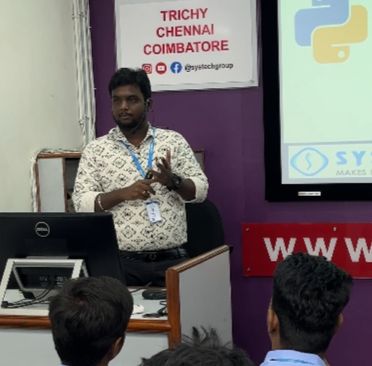
Manikandan
Senior Trainer · Data Science, Python and Programming
Manikandan has over 10 years of hands-on experience in data science, Python and programming. He has trained more than 3,000 students in coding, analytics and problem solving, and teaches with a focus on the practical skills employers actually test.